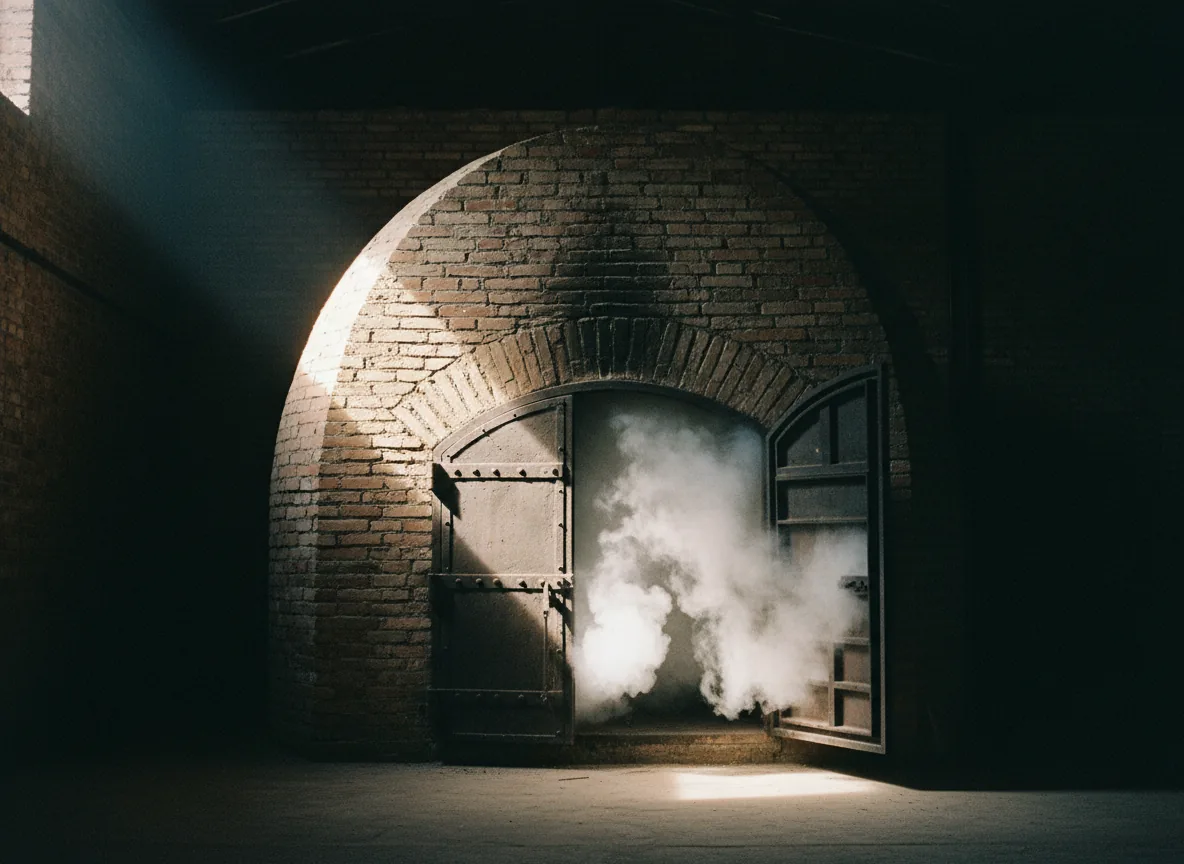
The Process
Seven decisions,
none of them shortcuts.
Every step below is a choice that can be made quickly or made properly. We publish which one we made.
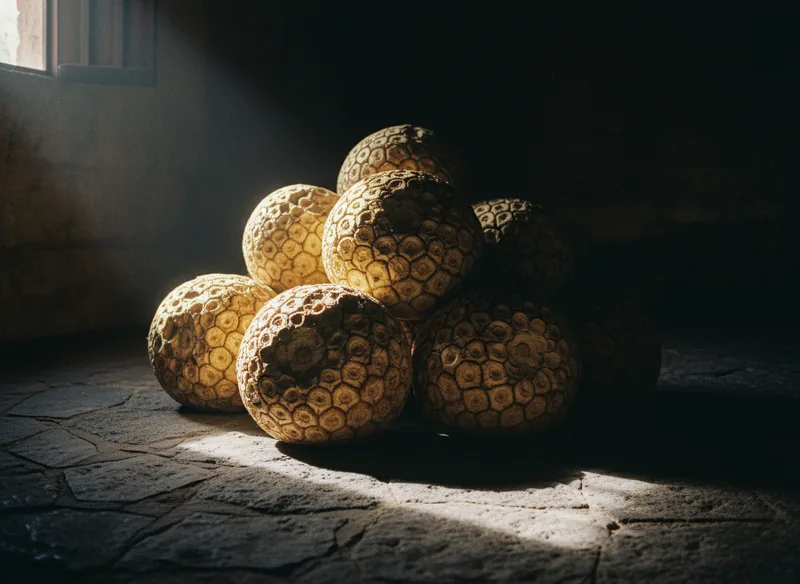
01
Agave
Nothing here can be fixed downstream.
Mature Blue Weber agave from the Valles region, harvested at full sugar development. Immature agave produces a thin, vegetal spirit that no amount of care later in the process can correct.
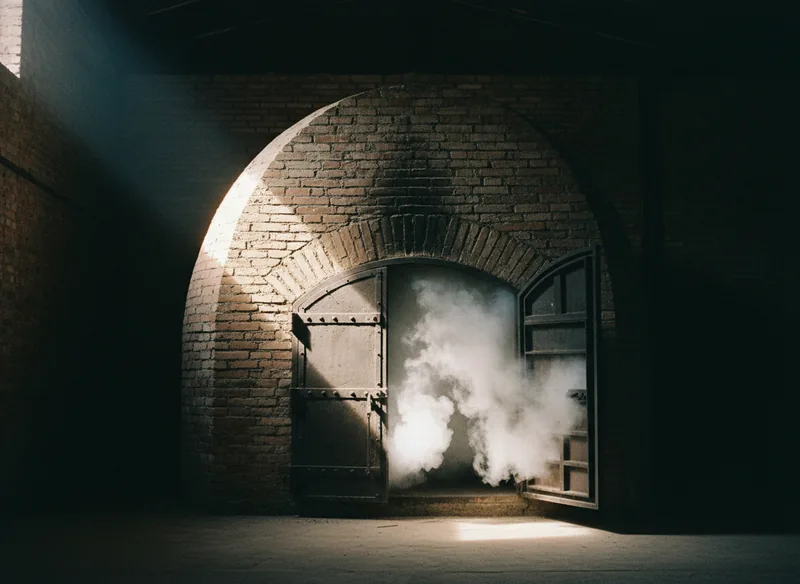
02
Cooking
Slowly, so sugar becomes flavour and not just fuel.
Traditional masonry ovens, slow cook. Time and gentle heat convert agave starch into fermentable sugar while building the cooked-agave and caramel notes that a fast diffuser extraction never develops.
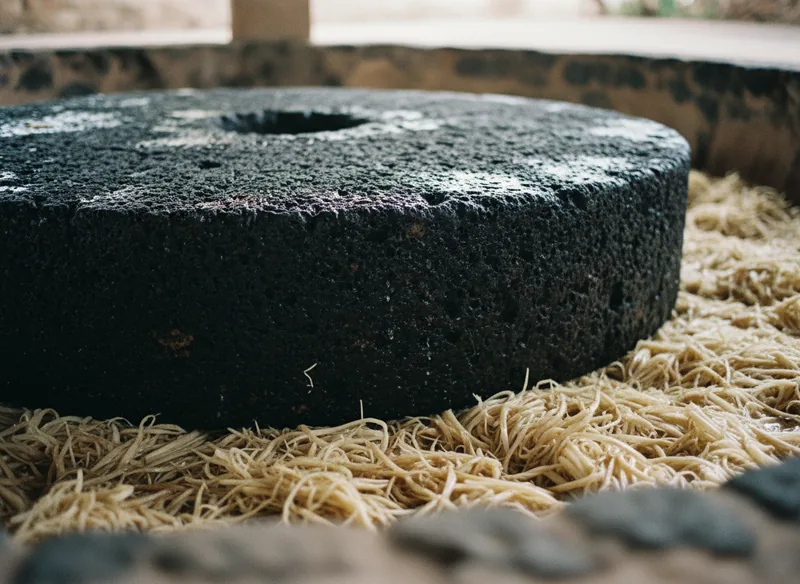
03
Extraction
How you separate juice from fibre decides texture.
Roller mill and tahona blend under evaluation. Tahona carries more fibre and more body into the ferment; the mill runs cleaner and brighter. The final ratio is confirmed with the distillery and published.
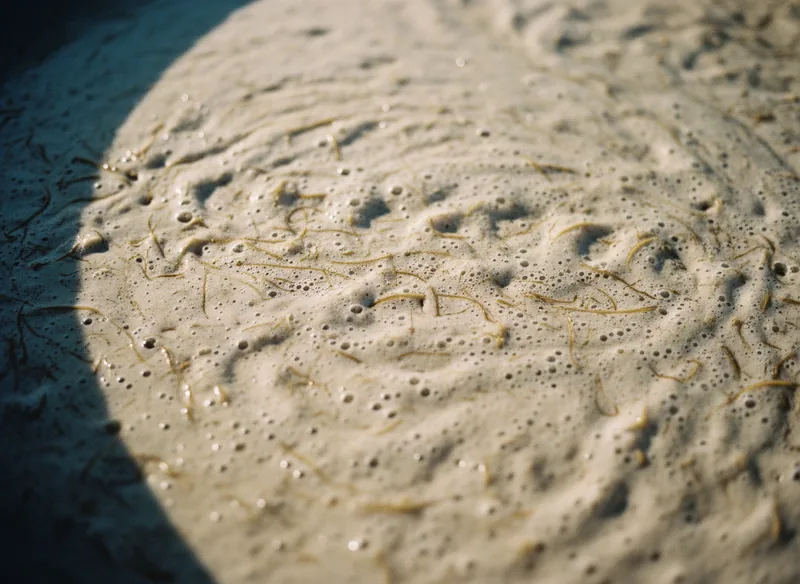
04
Fermentation
Where most of the aroma is actually made.
Open-air, extended, with natural yeast. Longer and cooler than a production schedule would prefer — that is where the white flowers and the herbal edge come from, not from anything added afterwards.
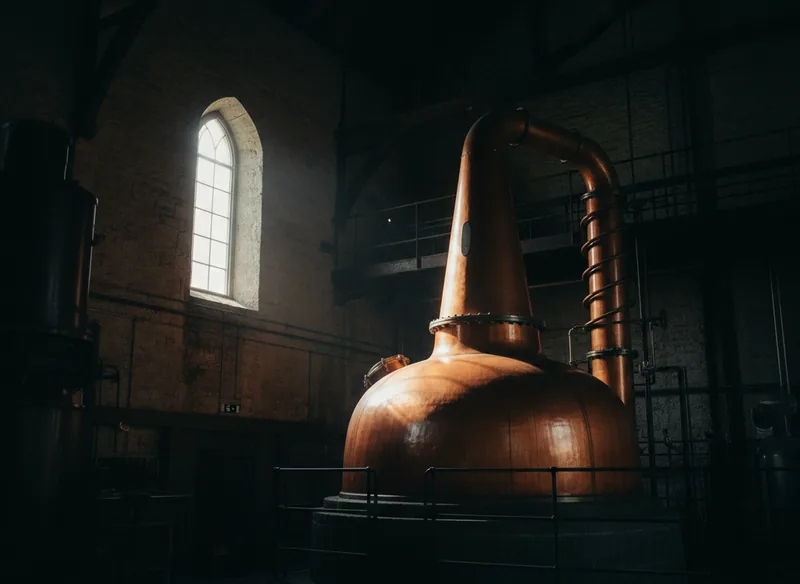
05
Distillation
The narrow cut is an act of subtraction.
Twice distilled in copper pot stills, with a narrow, agave-forward heart cut. A wider cut yields more litres and a duller spirit. We take less.
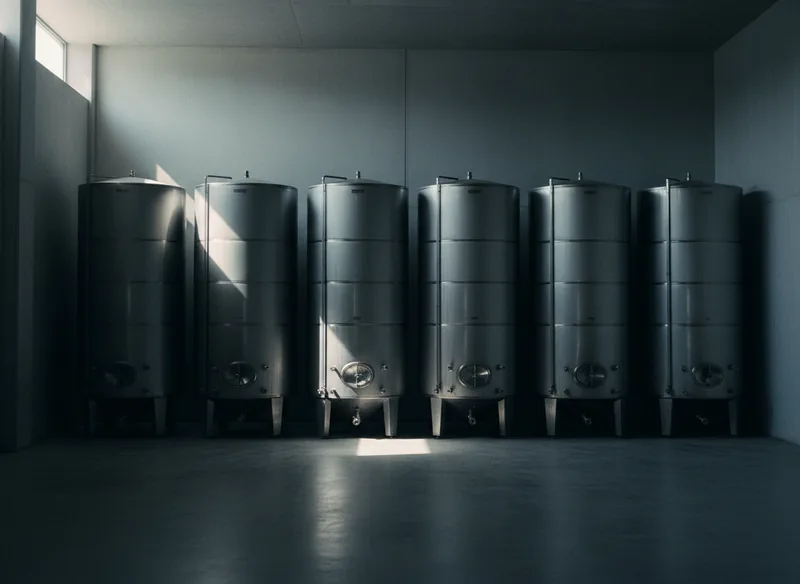
06
Rest
Blanco does not mean straight off the still.
A short rest in stainless steel before proofing, so the spirit integrates. Local spring water, no demineralisation, brings it to 40% Alc. Vol. No wood at any point — this is a blanco and it stays one.
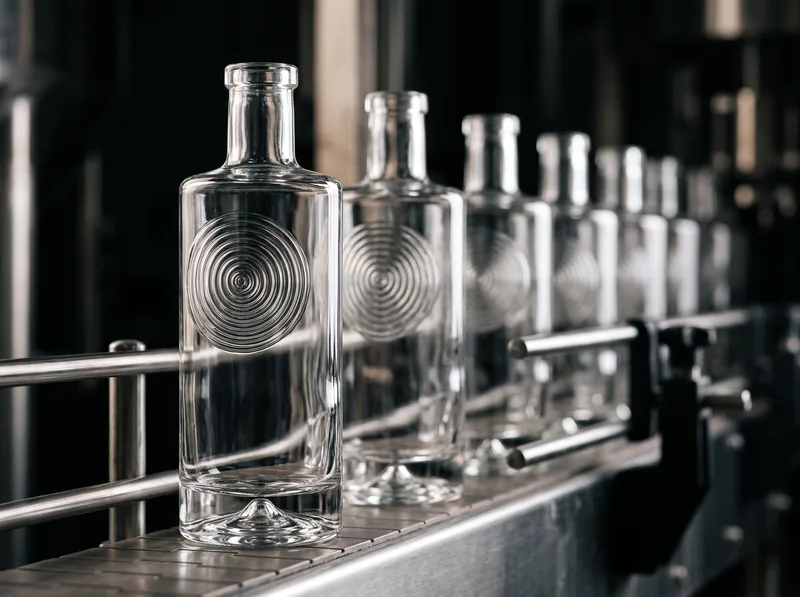
07
Bottling
Minimal filtration, so the texture survives the trip.
Filtration kept to the minimum required for stability. Heavy filtration strips the oils that carry silkiness and length — the two things this spirit is built around. Each run is bottled as a numbered batch.
The Human Element
Known by the liquid.
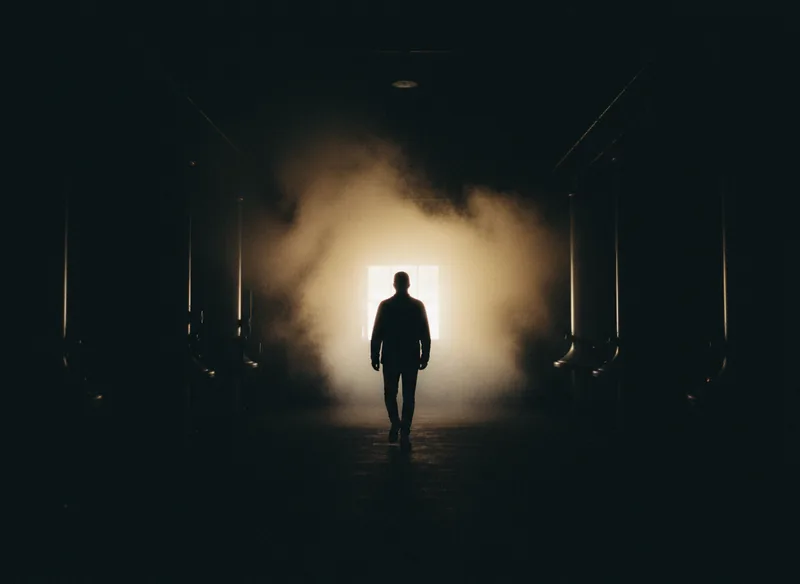
There is no celebrity on this bottle and no invented founder. What there is, is a hand that knows when to intervene and when to let the agave speak.
That is not the same as hiding. Anonymity of ego, transparency of process: the people stay out of the marketing, the numbers stay on the page.
Production Sheet
The specification Almaura is built against.
Final parameters are confirmed with the distillery at contract stage and published in full at launch. Anything not yet contracted is marked as such rather than dressed up.
- AgaveMature Blue Weber, Valles region
- CookingTraditional masonry ovens, slow cook
- ExtractionRoller mill / tahona blend — under evaluation
- FermentationOpen-air, extended, natural yeast
- DistillationTwice distilled, copper pot
- CutNarrow heart cut, agave-forward
- WaterLocal spring water, no demineralisation
- FiltrationMinimal — texture preserved
- AdditivesNone
- Distillery / NOMTo be published at launch
- VerificationTequila Matchmaker, from the first batch
Entries marked “under evaluation” or “to be published” are open. They will be replaced with confirmed values, not removed.